21 mei 2026 · 3 min leestijd · Tablejoy Team
Restaurantoperaties verbeteren: een praktische gids
Een praktische gids om elke stap van service strakker te maken: plattegronden, capaciteit, draaitijden, voorbereiding en gastdata, zonder tien nieuwe tools te kopen.
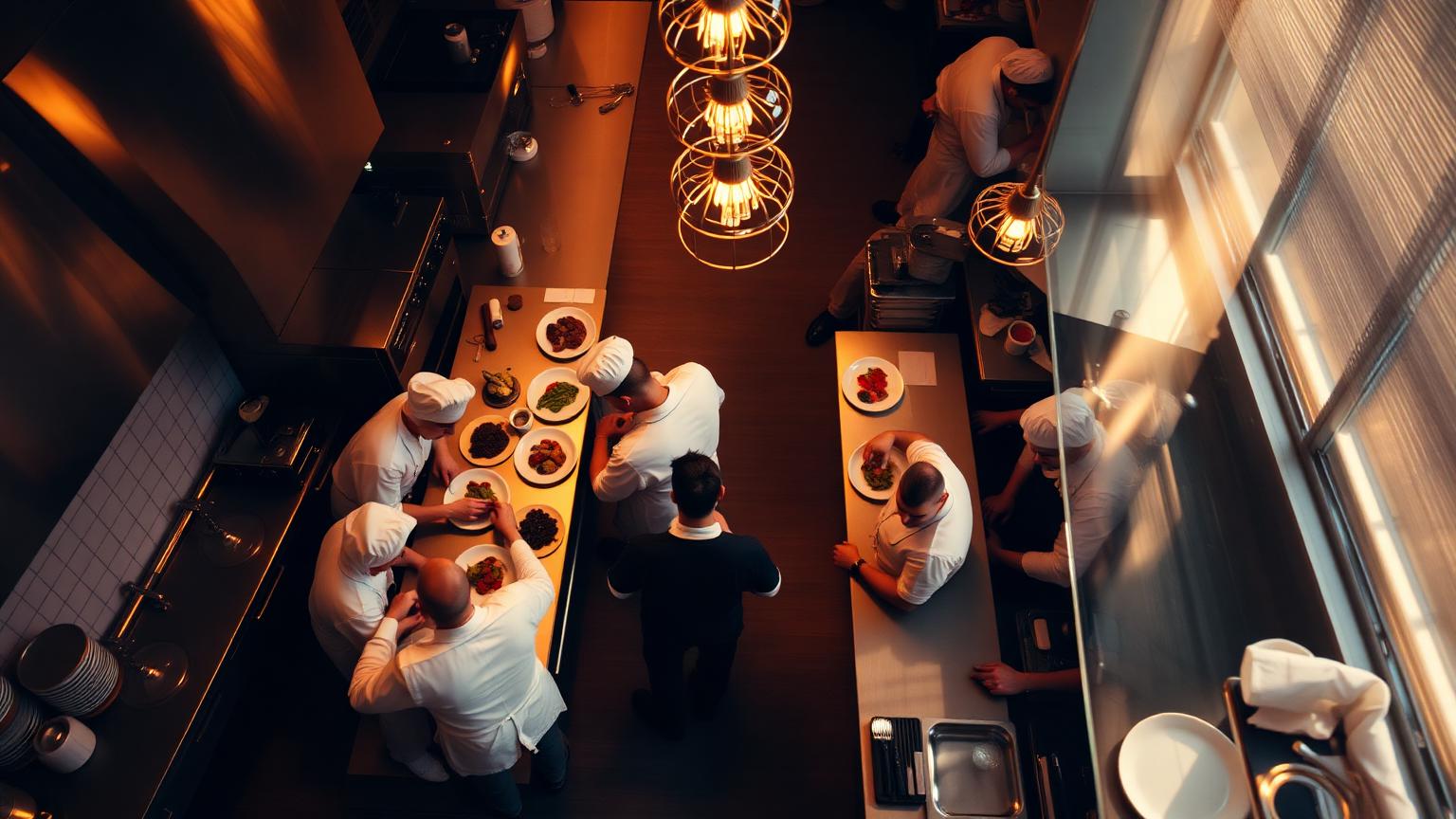
Elke restauranthouder die we spreken zegt uiteindelijk hetzelfde: het werk is niet het eten, het werk is alles om het eten heen. Reserveringen die niet kloppen met de zaal. Bediening die dubbele tafels krijgt omdat de host de walk-in niet zag. Een draaitijd van 90 minuten die op zaterdag eigenlijk 110 is. Operatie is het stille systeem onder de service, en kleine verbeteringen stapelen snel op.
Dit is een praktische gids voor de knoppen die echt verschil maken, ongeveer in de volgorde waarin wij ze zouden aanpakken.
1. Begin met een eerlijke plattegrond
De meeste operationele problemen beginnen bij een plattegrond die niet meer klopt met de werkelijkheid. Tafels worden samengevoegd voor grote groepen, een bank wordt halverwege de service anders ingedeeld, de bar vangt zes extra gasten op maar niemand kan die plekken boeken. Als je reserveringssysteem dat niet weet, begint elke shift met gedoe.
Breng elke stoel in kaart die je zaak kan opleveren, inclusief combinaties en overloop, en behandel dat als de bron van waarheid. De boekingswidget, de host en de keukenbonnenprinter moeten allemaal dezelfde zaal zien.
2. Stel capaciteitsregels in, geen capaciteitsgetallen
"We kunnen 60 couverts draaien" is geen capaciteitsregel. Echte capaciteit hangt af van het tempo van de keuken, de grootte van gezelschappen en hoe gespreid de binnenkomst is. Twaalf tafels van twee om 19:30 is een heel andere service dan drie tafels van acht om 19:30, ook al zijn het allebei 24 couverts.
Met capaciteitsregels kun je dingen zeggen als "maximaal 20 couverts per kwartier" of "niet meer dan een tafel van acht per seating". Zo bescherm je tegelijk de keuken en de gastbeleving.
3. Meet je echte draaitijden
Bijna elk restaurant waarmee we werken onderschat de draaitijd op drukke avonden met 15 tot 25 minuten. Het systeem rekent met 90 minuten; de tafel is in werkelijkheid pas na 110 minuten vrij. Vermenigvuldig dat over een zaterdag en je hebt de zaal overboekt zonder het door te hebben.
Meet een maand lang de werkelijke draaitijden per groepsgrootte en dagdeel. Pas daarna de regels aan. Het doel is niet om sneller te pushen, maar om geen tafels te beloven die je niet kunt waarmaken.
4. Verminder no-shows voordat ze ontstaan
No-shows zijn een operationeel probleem dat eruitziet als een gastenprobleem. De grootste hefbomen: een herinnering op de dag zelf, een duidelijke annuleringslink in die herinnering en een kleine aanbetaling voor piekmomenten of grote groepen. De meeste gasten doen het niet expres; ze zijn het vergeten, of konden niet makkelijk annuleren.
Zelfs 3% minder no-shows op vrijdag en zaterdag is een betekenisvolle omzetregel.
5. Zet voorbereiding en service op dezelfde pagina
Je reserveringsdata is ook een voorbereidingstool. De couverts van morgen, verdeling van groepsgroottes en eventuele pre-orders of allergenen moeten in de middag al bij de keuken liggen, niet pas om 19:00 ontdekt worden. Een simpele dagafsluiting-export of gedeeld dashboard werkt beter dan WhatsApp-chaos.
6. Behandel gastdata als operationeel bezit
Weten dat tafel 12 een vaste gast is die altijd plat water wil, bespaart 30 seconden service en levert loyaliteit op. Een lichte CRM gekoppeld aan je reserveringen verandert losse transacties in een relatie die je echt kunt schalen.
7. Audit je tools elk kwartaal
De meeste restaurants verzamelen software alsof een keuken gereedschap verzamelt. Zet elk kwartaal op een rij voor welke tools je betaalt, wie ze echt gebruikt en wat er zou breken als je ze uitzet. Het antwoord is meestal: minder dan je denkt. Reserveringen, plattegronden, wachtlijsten en gastdata op een plek samenbrengen haalt de duurste kostenpost weg: tijdverlies.
Waar Tablejoy past
We bouwden Tablejoy omdat we steeds dezelfde operationele gaten zagen: een mooie boekingswidget die de echte plattegrond niet kende, capaciteitsregels in een spreadsheet, no-showpreventie als losse bijzaak. Tablejoy zet de widget, plattegrond, capaciteitsregels, wachtlijsten, aanbetalingen en gast-CRM op een plek, zodat operatie geen dagelijkse brandjes meer zijn, maar een systeem.
Kies het punt uit deze lijst dat je elke week het meeste kost en los dat eerst op. Operatie is geen big-bangproject; het is de gewoonte om elke service een beetje minder wrijving te geven.